
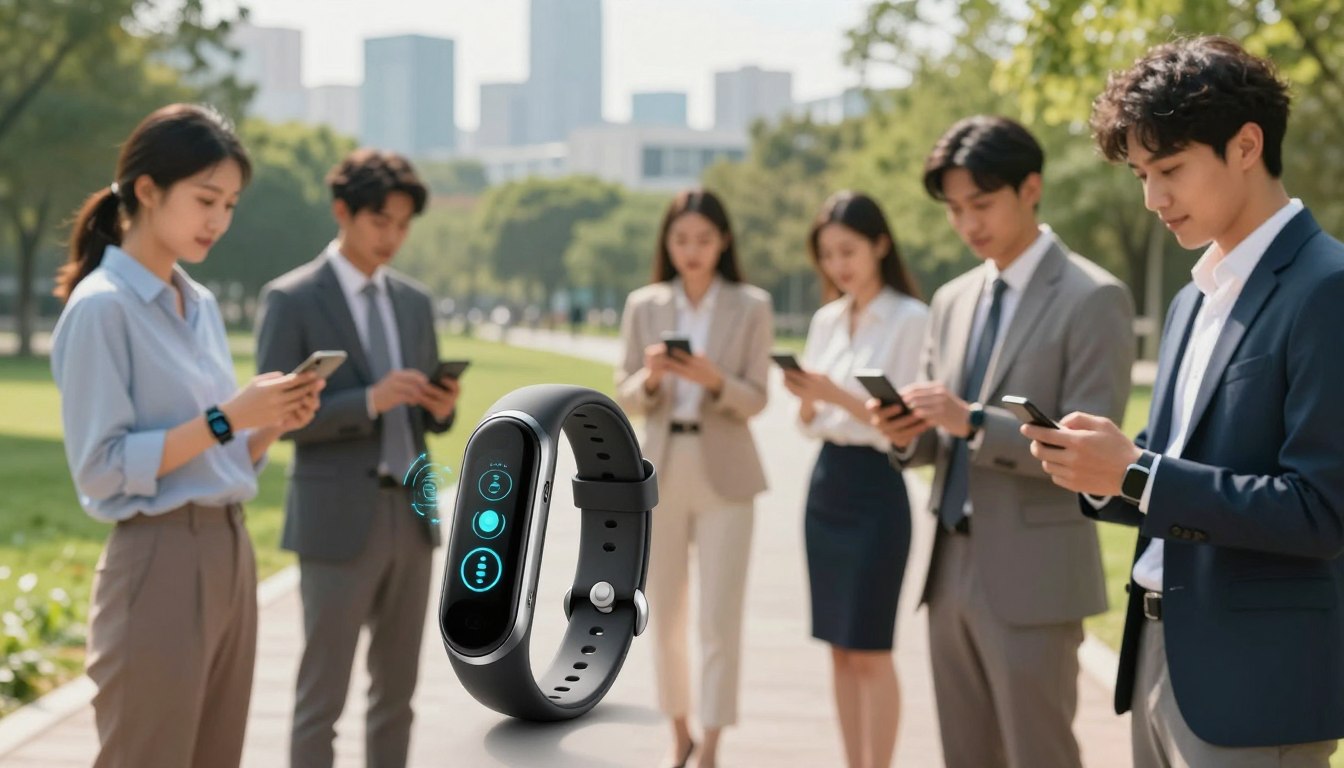
Did you know that over 500 million people now use digital tools to monitor their daily physical activity? This massive shift shows that we are entering a new era of personal wellness. By using wearable tech for bio-optimization tracking, you can finally see what happens inside your body in real time.
These health tracking devices act as a personal coach on your wrist. They provide the data needed to refine your bio-optimization strategies and reach your peak potential. Whether you want to sleep better or improve your heart rate, these tools offer the clarity you need.
Integrating wearable health technology into your life is easier than ever before. This wellness technology guide will help you navigate the complex world of data. You will learn how bio-hacking with wearables can transform your daily habits into long-term success.
Key Takeaways
- Understand how digital sensors provide deep insights into your physiological performance.
- Learn to use data to make smarter decisions about your daily physical well-being.
- Discover the best ways to integrate modern gadgets into your existing routine.
- Explore how small adjustments based on metrics lead to significant health improvements.
- Gain confidence in using advanced tools to reach your personal fitness goals.
Getting Started with Wearable Tech for Bio-optimization Tracking
Modern wearable health technology offers a window into your physiology that was once reserved for elite athletes. By integrating these tools into your daily routine, you gain the ability to make informed decisions about your wellness. Utilizing wearable tech for bio-optimization tracking is the first step toward mastering your physical potential.
Selecting the Right Device for Your Goals
Choosing the correct hardware is essential for gathering accurate, personalized health data. Not all health tracking devices are created equal, and your choice should depend on your specific wellness objectives. Whether you are focused on sleep quality, heart rate variability, or metabolic health, your wearable device selection must align with your primary goals.
Consider these factors when evaluating your options:
- Sensor Accuracy: Look for devices with clinical-grade heart rate and movement sensors.
- Software Ecosystem: Ensure the app provides clear, actionable insights rather than just raw numbers.
- Battery Life: Consistent tracking requires a device that can keep up with your schedule without constant charging.
“The most important metric is the one that helps you change your behavior for the better.”
Setting Up Your Baseline Metrics
Once you have your device, you must establish your baseline health metrics. This process provides the necessary context to understand how your body responds to various lifestyle changes over time. Without a clear starting point, it is difficult to measure the effectiveness of your health interventions.
Start by wearing your device consistently for at least two weeks to capture a representative sample of your daily life. This period allows the software to learn your unique patterns, such as your resting heart rate and average sleep duration. Consistency is the key to ensuring that your data remains reliable and useful for long-term health planning.
Interpreting Your Data for Better Health Outcomes
Turning raw biometric data into actionable insights is the secret to long-term wellness. While your device tracks thousands of data points, the true value lies in how you use this personalized health data to drive meaningful health outcome improvement. By learning to read the signals your body sends, you can make adjustments that lead to lasting vitality.
Understanding Heart Rate Variability and Recovery
Heart rate variability monitoring is one of the most effective ways to gauge your autonomic nervous system. It measures the variation in time between each heartbeat, which reflects your body’s ability to handle stress. A higher score generally indicates that your body is well-rested and ready for physical challenges.
When your numbers drop, it is often a sign that you need more recovery time. Using these fitness recovery metrics helps you decide when to push hard in the gym and when to prioritize rest. Consistency in tracking these trends allows you to build a more resilient body over time.
| Metric | High Value Meaning | Low Value Meaning |
|---|---|---|
| HRV | Strong Recovery | High Stress/Fatigue |
| Resting HR | Efficient Heart | Overtraining/Illness |
| Sleep Score | Optimal Restoration | Poor Sleep Quality |
Analyzing Sleep Architecture and Quality
Achieving sleep quality improvement requires looking beyond just the total hours you spend in bed. You must learn to optimize sleep architecture by examining the specific cycles that occur throughout the night. These cycles are essential for both physical repair and cognitive function.
Identifying Patterns in Deep and REM Sleep
Deep sleep is the phase where your body performs most of its physical restoration. In contrast, REM sleep analysis reveals how well your brain is processing emotions and memories. By identifying patterns in these stages, you can adjust your evening routine to ensure you get enough of both.
“Quality sleep is the foundation upon which all other health habits are built.”
If you notice a lack of deep sleep, try lowering your bedroom temperature or avoiding screens before bed. Small, consistent changes to your environment can lead to significant improvements in your overall sleep architecture. Monitoring these patterns ensures that your nights are as productive as your days.
Adjusting Lifestyle Habits Based on Real-Time Feedback
Real-time health feedback acts as a compass for your personal wellness journey. By monitoring your body’s signals, you can move beyond guesswork and embrace data-driven wellness. These bio-optimization strategies allow you to make small, impactful changes that align perfectly with your current physiological state.
Optimizing Nutrition and Hydration Timing
Your body requires different fuel depending on your daily activity levels and metabolic demand. Through nutrition timing optimization, you can synchronize your meals with your most intense training windows. This ensures that your muscles receive the necessary nutrients exactly when they need them most for repair.
Hydration is equally vital for maintaining peak performance throughout the day. By tracking your sweat loss or heart rate trends, you can adjust your water and electrolyte intake. Consistent hydration helps stabilize your energy levels and prevents the mid-afternoon slump that often plagues busy professionals.
Refining Exercise Intensity and Rest Days
Effective exercise intensity tracking prevents you from overexerting yourself on days when your body is struggling to recover. Your wearable device provides essential fitness recovery metrics that indicate whether you should aim for a personal best or a light recovery walk. Listening to these objective insights is the hallmark of a smart athlete.
Rest days are not signs of weakness; they are essential components of long-term progress. When your data suggests a lower readiness score, prioritize active recovery like stretching or yoga. This approach keeps your nervous system balanced and ready for future challenges.
Avoiding Overtraining with Recovery Scores
Overtraining prevention relies heavily on your device’s daily recovery scores. These scores aggregate your sleep quality, heart rate variability, and previous activity to give you a clear picture of your readiness. If your score is consistently low, it is time to scale back your intensity to avoid burnout or injury.
| Recovery Score | Physical State | Recommended Action |
|---|---|---|
| High (80-100) | Optimal Readiness | Perform high-intensity training |
| Moderate (50-79) | Balanced | Maintain moderate activity levels |
| Low (0-49) | Fatigued | Prioritize rest and light movement |
Conclusion
Transforming your daily routine into a precise science starts with the tools on your wrist. Embracing data-driven wellness allows you to move past guesswork and focus on what truly impacts your body.
Devices like the Oura Ring or Garmin Fenix provide the insights needed to master your biology. This wellness technology guide serves as your roadmap for turning raw numbers into actionable lifestyle changes.
You possess the power to influence your long-term health outcome improvement by staying consistent with your tracking. Small adjustments to your sleep, movement, and nutrition create massive shifts in how you feel each day.
Bio-hacking with wearables is not just a trend for elite athletes. It is a practical approach for anyone wanting to live with more energy and clarity. Start by trusting the patterns you see in your metrics.
Share your progress with friends or join online communities to stay motivated. Your path to peak performance is unique, and your data remains the best tool to guide your next steps.